Creating an elegant interior does not require a professional designer or a large renovation budget. Many of the most noticeable improvements come from simple adjustments to colors, materials, furniture arrangements, and decorative details.
With a little creativity and planning, homeowners can achieve a sophisticated appearance while keeping expenses manageable.
Establish a Consistent Interior Style
One of the easiest ways to improve your home’s appearance is to develop a consistent design direction.
Modern, minimalist, traditional, rustic, and Scandinavian interiors each have distinctive characteristics. Select a style that matches your preferences and complements your existing furniture.
You do not need to follow every design rule. However, maintaining similar colors, finishes, and materials throughout a room creates a more polished appearance.
See also: Smart Home Organization Ideas for a Cleaner and More Functional Lifestyle
Give Walls a Fresh Look
Painting is one of the most effective and affordable interior improvements. A fresh coat of paint can brighten a room, cover minor imperfections, and completely change its atmosphere.
Soft neutral shades create a timeless background, while deeper colors can introduce character and contrast.
Consider painting a single accent wall if you want to experiment with bold colors without transforming the entire room.
Always prepare the surface properly before painting to achieve a smooth and durable finish.
Upgrade Cabinet Handles and Hardware
Small hardware details can significantly influence the appearance of kitchens, bathrooms, and furniture.
Replacing outdated cabinet handles, drawer pulls, and knobs with modern alternatives can give existing furniture a refreshed appearance.
Matte black, brushed brass, and stainless steel finishes are versatile options that complement various interior styles.
Measure existing screw holes before purchasing replacement hardware to avoid unnecessary modifications.
Make Curtains Look More Sophisticated
Curtains influence both the visual height of a room and its natural lighting.
Installing curtain rods higher above windows can create the impression of taller ceilings. Curtains that extend close to the floor can also provide a more refined appearance.
Choose fabrics that complement your furniture and wall colors. Sheer curtains allow natural light to enter, while heavier fabrics offer additional privacy and light control.
Add Texture Through Decorative Materials
Texture helps prevent interiors from appearing flat or monotonous.
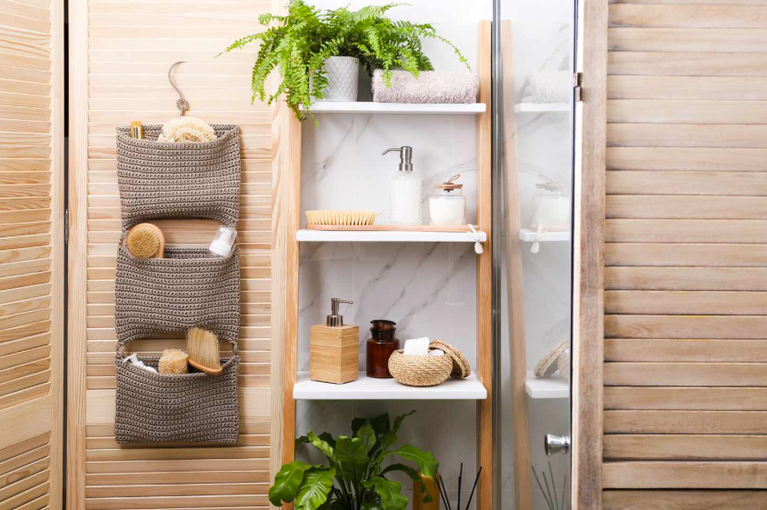
Combine materials such as linen, cotton, wood, ceramics, glass, and woven fibers to create visual depth.
A textured rug, knitted blanket, wooden tray, or ceramic vase can make a noticeable difference without requiring expensive purchases.
Try to maintain a balance between smooth and textured surfaces throughout the room.
Create an Attractive Focal Point
Every room benefits from a visual feature that naturally attracts attention.
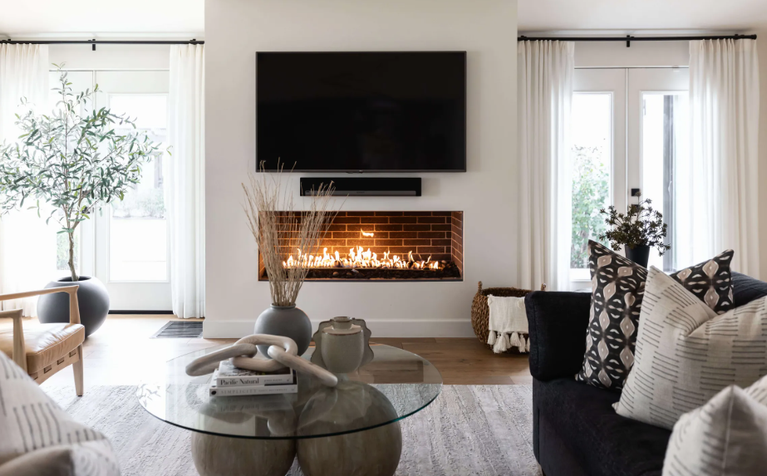
In a living room, this could be a large artwork, decorative fireplace, or stylish sofa. In a bedroom, an upholstered headboard or accent wall may serve the same purpose.
A focal point gives the room structure and helps guide furniture placement and decorative choices.
Avoid introducing too many competing features, as this can reduce the overall visual balance.
Improve Your Furniture Arrangement
Even attractive furniture can appear less impressive when arranged poorly.
Position furniture according to the room’s size, natural lighting, and intended function. Avoid pushing every piece against the walls unless the layout genuinely requires it.
Creating smaller conversation areas can make larger rooms feel more comfortable, while appropriately sized furniture can prevent smaller spaces from becoming overcrowded.
Restore Instead of Replacing Furniture
Older furniture can often be refreshed at a fraction of the cost of buying new pieces.
Wooden tables can be refinished, chairs can receive new upholstery, and cabinets can be repainted. Even replacing furniture legs or handles can create a more modern appearance.
Restoring existing furniture also reduces unnecessary waste and allows you to retain pieces with sentimental value.
Style Shelves and Tables Thoughtfully
Decorative styling can give ordinary furniture a more sophisticated appearance.
Arrange books, small plants, candles, and decorative objects in groups of different heights. Use trays to organize accessories on coffee tables and countertops.
Maintain enough empty space between objects to keep the arrangement visually balanced.
Choose accessories that complement the room rather than purchasing decorations simply to fill available space.
Invest in a Few Quality Accessories
Instead of buying numerous inexpensive decorations, focus on a few durable accessories that create a meaningful visual impact.
A well-made rug, attractive lamp, decorative mirror, or quality cushion cover can enhance an entire room.
Prioritize items that combine appearance with practical functionality.
Conclusion
An elegant home is the result of thoughtful design, balanced colors, practical furniture arrangements, and attention to detail. Affordable improvements such as repainting walls, updating hardware, introducing texture, and restoring furniture can transform ordinary interiors into attractive living spaces.
By focusing on gradual and meaningful upgrades, you can create a stylish home that feels comfortable, personal, and inviting without exceeding your budget.